

Trading and investing in crypto can be fascinating, fun, and profitable, but it also comes with considerable risks that need to be addressed. Even Web 3.0 veterans can still fall for scams, make emotional decisions, overinvest, or overlook personal cybersecurity basics, leading to potential losses.
In order to help you make the most of the crypto space with more confidence and peace of mind, we put together this beginner-friendly guide to 10 of the most common crypto mistakes and how you can avoid them. We’ll show you how to trade smarter, keep your funds safe, and think more strategically to make better-informed investing decisions.
Key Takeaways
- Always do your own research: Aim to become an independent analyst, trader, and investor by conducting your own research before investing.
- Watch out for scams and frauds: Implement robust cybersecurity practices, and learn to spot red flags before disaster strikes.
- Keep your funds secure: Stay up to date with the latest security trends, and make sure you only use reputable crypto wallets.
- Only invest what you can afford to lose: Limit the size of your investment and trading positions.
- Dive deep into trading psychology: Learn to identify strong emotions like fear, greed, doubt, uncertainty, and FOMO, and deal with them appropriately.
- Don’t overtrade: Only trade when you spot an opportunity that aligns with your trading system and rules.
- Take a long-term perspective: Stay focused on the long term; bad actors take advantage of traders who rush through important decisions.
- Keep a diversified portfolio: Focusing on just one crypto means you’ll miss out on gains across other coins that could meet your trading criteria.
- Stay calm during market volatility: Stick to your plan and make rational decisions, even when the market becomes unpredictable.
- Watch out for hidden fees and charges: Read the small print when you’re opening a new account, and check fee structures, spreads, and withdrawal charges.
1. Investing Without Research
Although it’s tempting to jump in and start buying into crypto projects that sound interesting and are attracting hype on social media, it’s important to pause first and really think about whether you’re making the right decision.
Profiting from trading and investments generally involves getting in before the masses, and exiting your positions when euphoria and buying activity peaks. Investing blindly and following the crowd means you’re gambling with your funds, rather than applying a solid strategy based on research.

Credible projects publish whitepapers covering goals, token utility, and a long-term roadmap.
Why Research Matters in Crypto
Crypto can be complicated for beginners as well as traders with years of market experience. Effective research can make the difference between a winning trade on a token with robust fundamentals, and heavy losses from “aping” into a meme coin that gets rug-pulled by shady developers.
The crypto market is also notoriously volatile, which enables the potentially huge gains that make investing in the sector so attractive. However, this also makes research and a strategic mindset essential.
DYOR: the Golden Rule for Beginners
DYOR stands for “Do Your Own Research,” which is one of the most important principles in crypto. It means reading deeply about the projects you plan to invest in, looking past headlines, investigating every source, questioning social media hype, and ultimately taking responsibility for your own financial decisions.
When it comes down to it, you’ll be the one pressing the “Buy” button, so you’ll want to do that with maximum confidence and conviction, which can only come from doing your own research.
How to Avoid This Mistake
- Read Whitepapers: Credible Web 3.0 projects will always have a whitepaper, covering key details like the project’s goals, the problems it solves, its long-term roadmap, and the token’s utility and tokenomics.
- Check Sources: Taking a deeper dive into a project’s backstory, its team, and influencers who promote bullish narratives will help you determine its long-term potential.
- Avoid Hype-Only Tokens: Tokens with weak or non-existent fundamentals that rely too heavily on marketing hype are far more risky.
- Evaluate the Community and Partnerships: Partnerships with other Web 3.0 projects, major crypto exchanges, and more traditional financial institutions can indicate conviction from major players who apply serious due diligence processes before agreeing to a deal.
2. Falling for Scams and Frauds
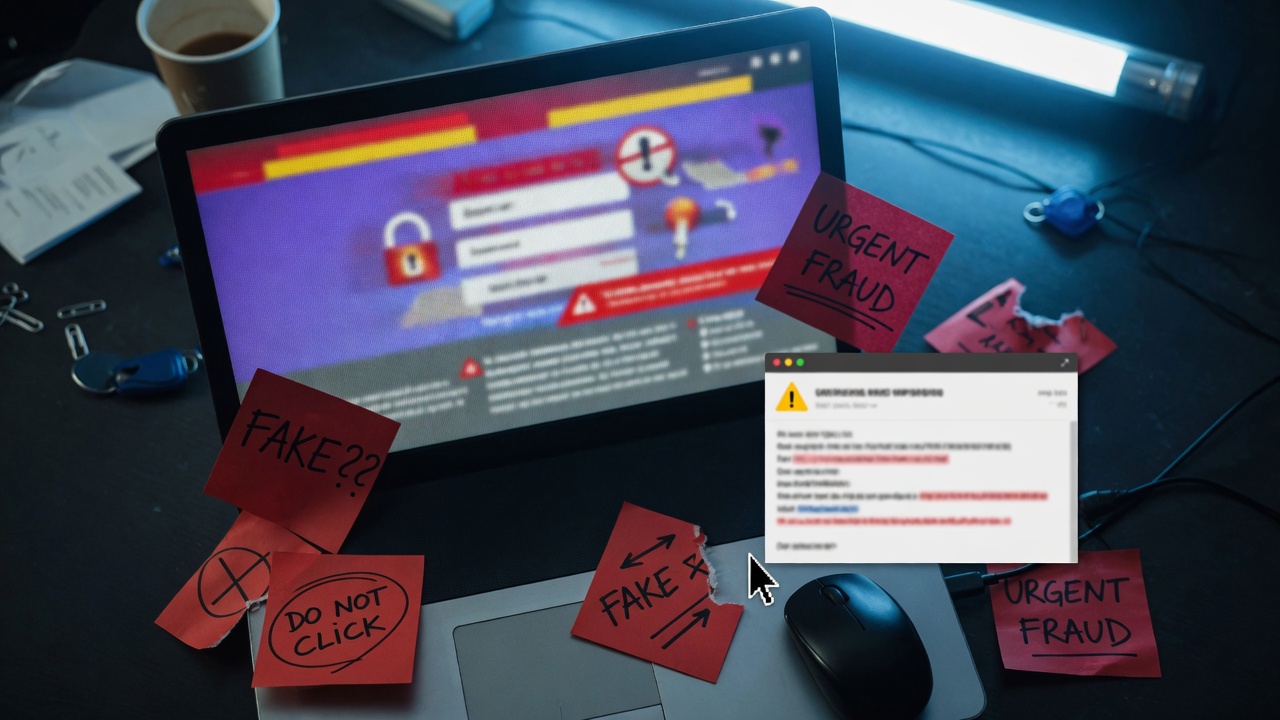
Since the immutable nature of blockchains can make it practically impossible to recover stolen funds, crypto has attracted many scammers and fraudsters. The strategies and tactics used by these malicious actors get more sophisticated every day.
Common Crypto Scams and Red Flags
If you’re new to crypto, you’ve probably already heard the term “rug pull,” which refers to a scenario where a project’s creators suddenly sell all of their tokens and cause the price to collapse, often to nearly zero.
“Pump and dump” schemes follow a similar strategy, in which insiders team up with token promoters, influencers, and traders to artificially “pump” a token’s price through carefully timed purchases, then sell (“dump”) their holdings when the masses rush in to capitalize on the sudden extreme gains.
By closely researching a token’s tokenomics (which should include any insider or developer allocations) and scanning social media for news about large anomalous “whale” buys, it’s possible to identify potential rug pulls and pump-and-dump coins ahead of time. If the vast majority of tokens are being held in a small number of wallets that can be traced to insiders, this is usually a warning sign that a rug pull could be on the cards.
Other bad actors simply aim to trick unsuspecting crypto users into accidentally sending their funds directly to a scammer’s wallet, or using a “wallet drainer” to steal all the coins from someone else’s wallet address. Common tactics include phishing links, fake websites, and fraudulent promotions that may promise giveaways, airdrops, NFTs, and other prizes in exchange for personal details.
If it sounds too good to be true, it probably is, and you should never give away security essentials like login credentials, seed phrases, private keys, or passwords to anyone.
In 2026, generative AI tools have made it harder than ever to tell the difference between fake images and videos and authentic content. Scammers often use this technology to create new versions of classic crypto scams, such as fake celebrity endorsements. Always check official social feeds, and watch for community notes that flag malicious content.
How to Avoid This Mistake
- Always double-check URLs. Never click a link in a suspicious email.
- Use hardware wallets for long-term investments.
- Verify people, projects, and smart contracts before you connect a wallet.
3. Ignoring Security Basics
While advanced security measures will be ideal, you should start by covering core security basics: strong unique passwords, two-factor authentication, and the difference between hot and cold wallets.

Whenever you set up a new online account, choose a secure password that follows the latest best practices. Set up two-factor authentication (2FA) and consider biometric techniques like facial recognition and thumbprint scans if available.
When setting up your wallet, write your seed phrase and other details on a piece of paper and keep it stored in a safe place. Some crypto users even engrave their details into metal plates to protect against potential fire damage. Never store seed phrases online.
Read the security basics guide →
4. Overinvesting or Risking More Than You Can Afford
Along with DYOR, another common tenet that serious traders and investors live by is “Never invest more than you can afford to lose.” Past price performance is not a definitive indicator of future success or failure, so only investing what you can afford to lose ensures that you’ll still be able to recover if your crypto plan doesn’t work out.

Financial regulators like the UK’s Financial Conduct Authority (FCA) caution against putting more than 10% of your investable assets into volatile and high-risk investments like crypto. On social media, many enthusiasts claim that they’re going “all in” on the latest coins — take those posts with a grain of salt.
Dollar-cost averaging, a written monthly budget, and smaller size on high-risk tokens are the practical tools that keep you in the game.
Read the position-sizing guide →
5. Letting Emotions Drive Your Trades
Throughout your time in the crypto market, you’ll naturally experience emotions like fear, greed, and FOMO. Veteran players often point out that these feelings don’t go away over time; instead, they need to be carefully managed.

When emotions take over, you could easily end up panic-selling tokens during a temporary dip or buying the peak of a trending coin’s price surge. FOMO is one of the most powerful of those emotions: large green candles often signal widespread interest, but even organic pumps can retrace just as quickly.
You don’t have to catch the exact bottom or top of a price move. Most profits are made in the middle. Stick to a strategy, pause before reacting to hype, and take breaks during emotional moments.
Read the trading psychology guide →
6. Overtrading and Constantly Chasing the Market
The crypto market is open 24 hours a day, seven days a week. That does not mean you should always have a position open. Being “all in cash” can feel boring, but sometimes it’s the best position you can be in.

In 2026, short-term price moves and scalp trades are largely the domain of trading bots and algorithms. High-frequency trading also racks up fees that can eat into profits. DEX trades can incur both trading fees and gas fees, leaving a position at a loss unless you catch an extremely profitable move.
Trade less, focus on quality setups, and rest. Burnout is a portfolio risk, especially on leveraged products.
7. Focusing Only on Short-Term Gains
The crypto space is full of hyped projects, unrealistic claims, and trading “gurus” who constantly post P&L screenshots. One of the first things you’ll need to do as a trader is look past all of this noise.

Bad actors depend on crypto users being in a rush to get rich. Rushing leads to impatience, impulsive behavior, and poor decision-making — from FOMOing into a coin that’s already pumped to signing on-chain transactions that expose your funds to wallet drainers.
Projects like Bitcoin, Ethereum, XRP, BNB Chain, Solana, Cardano, and Dogecoin have survived because they provide meaningful utility. A mix of short-term and long-term holdings usually beats an exclusive focus on fast-paced trading.
Read the long-term vision guide →
8. Neglecting to Diversify Your Portfolio
Portfolio diversification is mainly about finding the right balance between “blue-chip” assets with strong long-term potential and higher-risk assets influenced by the latest narratives and hype cycles.

A well-balanced portfolio gives you exposure to potentially huge gains on some assets and a way to mitigate losses on others. Spread funds across multiple wallets too: cold storage for long-term holds, exchange wallets for CEX trading, and hot wallets for dApps. If one wallet is compromised, the others can still be safe.
Read the diversification guide →
9. Ignoring Market Volatility
Prices do not move up and to the right in a linear fashion. There will naturally be points where volatility spikes and uncertainty prevails. Ignoring this reality is one of the fastest ways to miss the best opportunities and take unnecessary losses.

Intensely volatile phases will put your skills to the test. Set a long-term strategy, manage emotions, develop analysis skills, trade high-probability setups, diversify, and keep funds secure. Aiming to get in at the start of a trend, and exit before it reverses, is enough to be profitable.
10. Overlooking Fees and Hidden Costs
No matter what’s going on in the market, fees must always be factored into your trading decisions, especially on short-term plays with relatively small percentage moves. If your trading fees are higher than the profits you’re keeping, the exchange is making more money from your work than you are.

DEX trades likely require a gas fee on top of exchange fees. Gas on networks like Ethereum can exceed the entire value of a small transaction. Some venues also maintain spreads and hide withdrawal fees in the small print.
Use fee calculators, read the terms, start with small deposits on a new platform, and prefer limit orders when they are cheaper than market orders.
Source and editorial disclosure
Adapted from “10 Biggest Crypto Mistakes You Can Make and How to Avoid Them,” by Camila Karam, fact-checked by Ihssan El Medkouri, published on CryptoNews (updated January 14, 2026). Promotional calls to action and select platform mentions have been removed or neutralized for non-commercial educational distribution.