
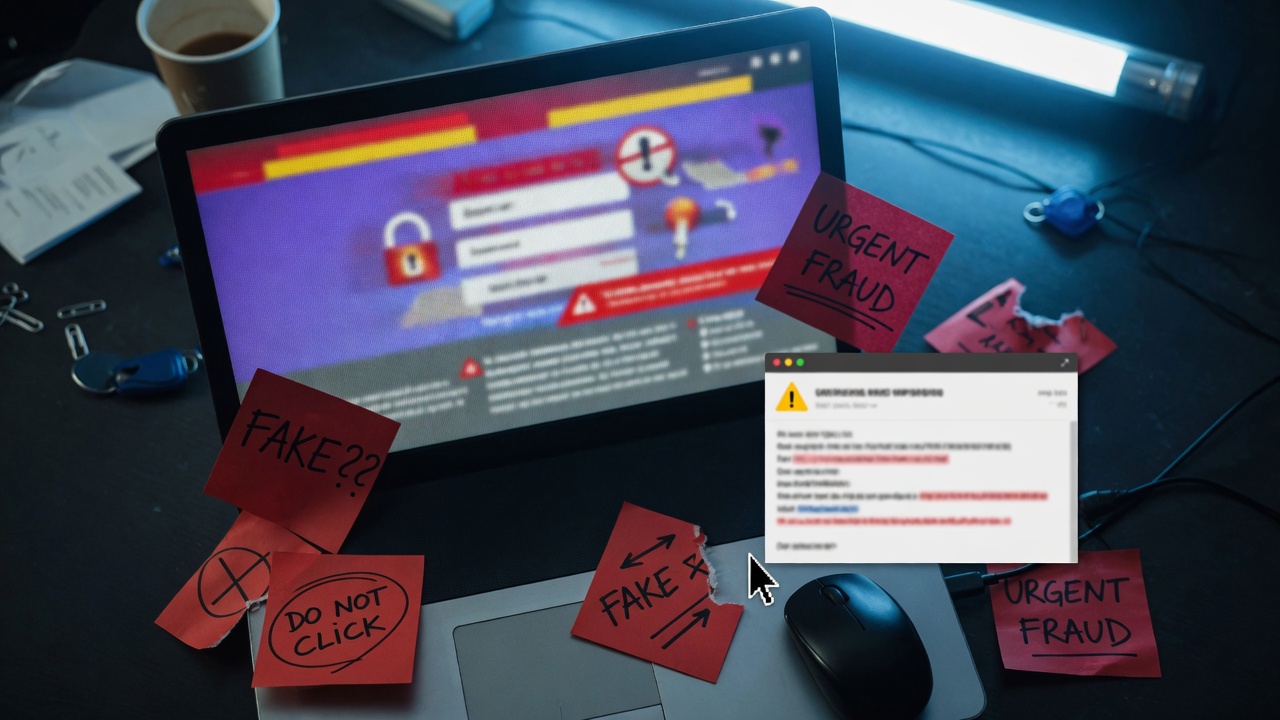
Since the immutable nature of blockchains can make it practically impossible to recover stolen funds, crypto has attracted many scammers and fraudsters. The strategies and tactics used by these malicious actors get more sophisticated every day.
Common Crypto Scams and Red Flags
If you’re new to crypto, you’ve probably already heard the term “rug pull,” which refers to a scenario where a project’s creators suddenly sell all of their tokens and cause the price to collapse, often to nearly zero.
“Pump and dump” schemes follow a similar strategy, in which insiders team up with token promoters, influencers, and traders to artificially “pump” a token’s price through carefully timed purchases, then sell (“dump”) their holdings when the masses rush in.
By closely researching a token’s tokenomics — including insider or developer allocations — and scanning social media for large anomalous “whale” buys, it’s possible to identify potential rug pulls ahead of time. If the vast majority of tokens are held in a small number of wallets that can be traced to insiders, that is usually a warning sign.
Other bad actors trick users into sending funds to a scammer’s wallet, or using a “wallet drainer” to steal coins. Common tactics include phishing links, fake websites, and fraudulent promotions that promise giveaways, airdrops, NFTs, and other prizes in exchange for personal details.
If it sounds too good to be true, it probably is. Never give away login credentials, seed phrases, private keys, or passwords.
In 2026, generative AI tools have made it harder than ever to tell fake images and videos from authentic content. Scammers often use this technology for fake celebrity endorsements. Check official social feeds, and watch for community notes that flag malicious content.
Increasing Your Web 3.0 Security
These scams are mostly avoidable if you follow common-sense principles (DYOR, question everything) and take care of online security: reputable antivirus, a trustworthy VPN, and reporting suspicious emails without clicking links.
Web 3.0 adds extra requirements: a reputable crypto wallet, two-factor authentication (2FA), and biometric authentication where available. Above all else, never give away your private key, seed phrase, or login credentials.
How to Avoid This Mistake
- Always Double-Check URLs: Fake websites and phishing emails often impersonate legitimate companies. Use official support channels. Never click a link in a suspicious email.
- Use Hardware Wallets for Long-Term Investments: Cold wallets are generally better if you plan to hold coins over the long term.
- Verify People, Projects, and Smart Contracts: The DYOR principle applies to every aspect of crypto and Web3.