
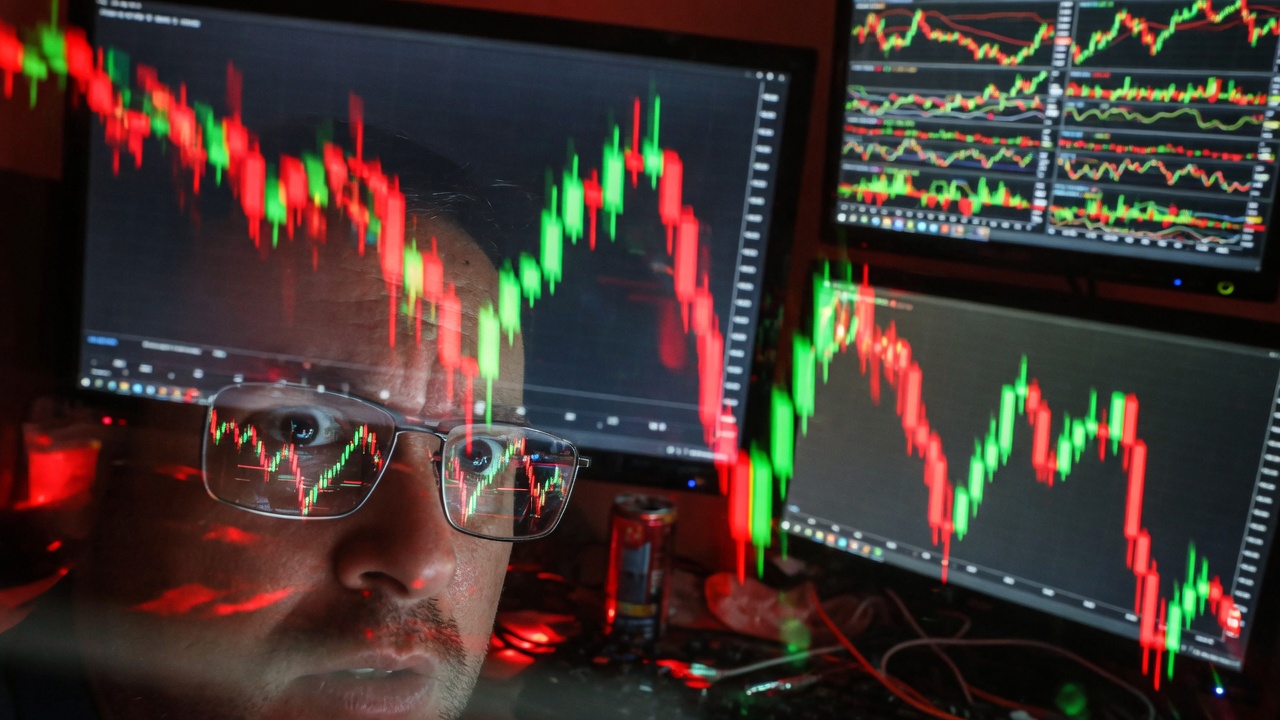
Almost all financial assets move through bullish and bearish phases. Prices do not move up and to the right in a linear fashion. There will naturally be points where volatility spikes and uncertainty prevails, at least for a while. These periods typically evolve into more prolonged uptrends and downtrends as traders attempt to position themselves.
Ignoring this reality is one of the fastest ways to miss the best opportunities, fail to capture profits, and take unnecessary risks that would otherwise be avoided by consistent focus and analysis.
Navigating Bull and Bear Markets
From bull markets and bull runs to their bearish equivalents, consolidation stages, altseasons, meme coin frenzies, and narrative-specific phases like “DeFi Summer,” crypto is always progressing through a period defined by at least one overarching price trend.
It’s common for these periods — especially fear-inducing bear markets — to be declared prematurely, as influencers seek to shift opinions in favor of their own positions. Traders who frequently “flip-flop” between extremely bullish and bearish posts often do so because they’ve just opened a leveraged long or short, and will profit if enough followers do the same.
To generate high-profit opportunities through volatile phases: set a long-term strategy and a concrete set of trading rules; manage emotions; develop fundamental and technical analysis skills; only trade high-probability setups; diversify; and keep funds secure at all times.
Crypto Isn’t a Straight Line
Expecting crypto prices to go up vertically is unrealistic. As the markets are not yet fully regulated, prices are highly vulnerable to manipulation. Tactics often involve controlled but extremely volatile moves that cause traders to panic-sell (allowing whales to scoop up cheap coins) or FOMO into an exploding coin that collapses just as quickly.
Patience and effective analysis are key. Aiming to get in at the start of a trend, and exit before it reverses, is enough to be profitable. Following the crowd is often a recipe for a painful lesson.
How to Avoid This Mistake
- Have a Plan: If you don’t have a plan, you’re gambling. Experiment with stop-loss and take-profit orders.
- Never Trade Emotionally: Take a break. No serious expert would recommend letting fear, greed, uncertainty, doubt, or FOMO drive financial decisions.