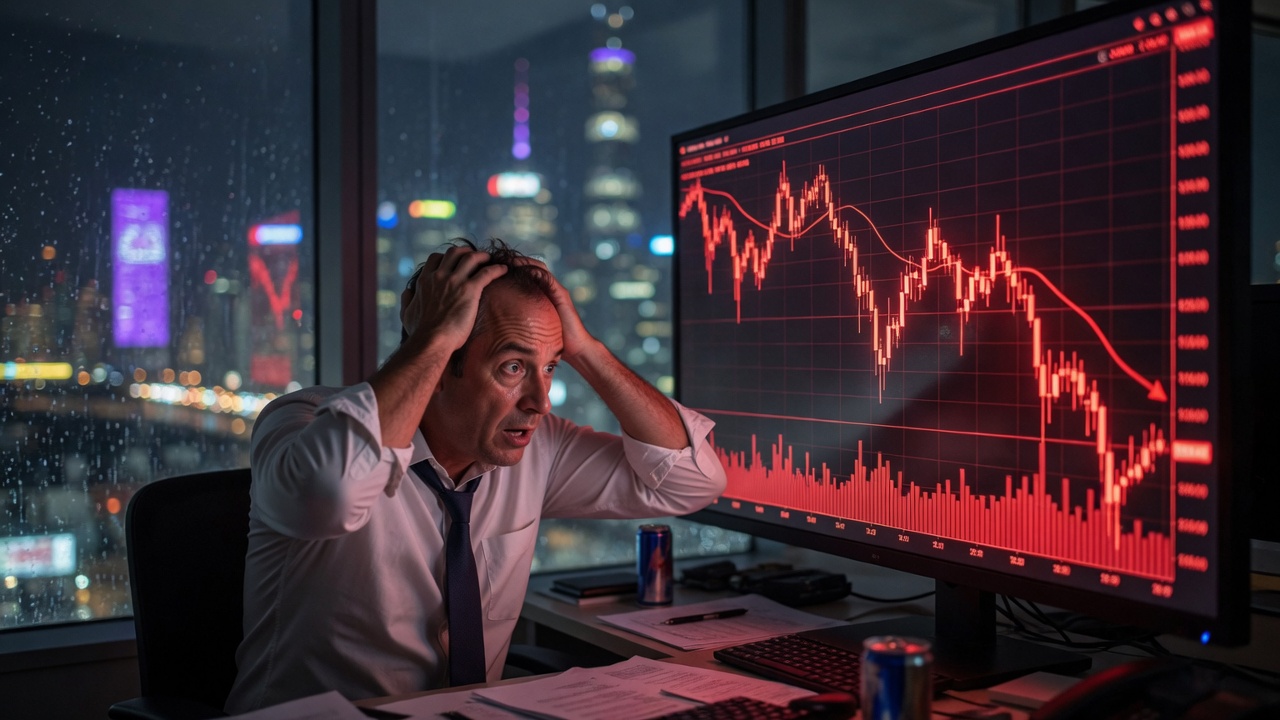
This topic ties into controlling emotions, and FOMO plays a huge role in overtrading. The crypto market is open 24 hours a day, seven days a week, with frequent major price moves. That does not mean you should always have a position open.
Sometimes an apparently lucrative pump is simply manipulation, and the same can go for unexpected dips that bounce back hours later. Being “all in cash” can feel boring, but sometimes it’s the best position you can be in — especially when a bull market looks like it is pivoting into a bear market.
The Cost of Doing Too Much
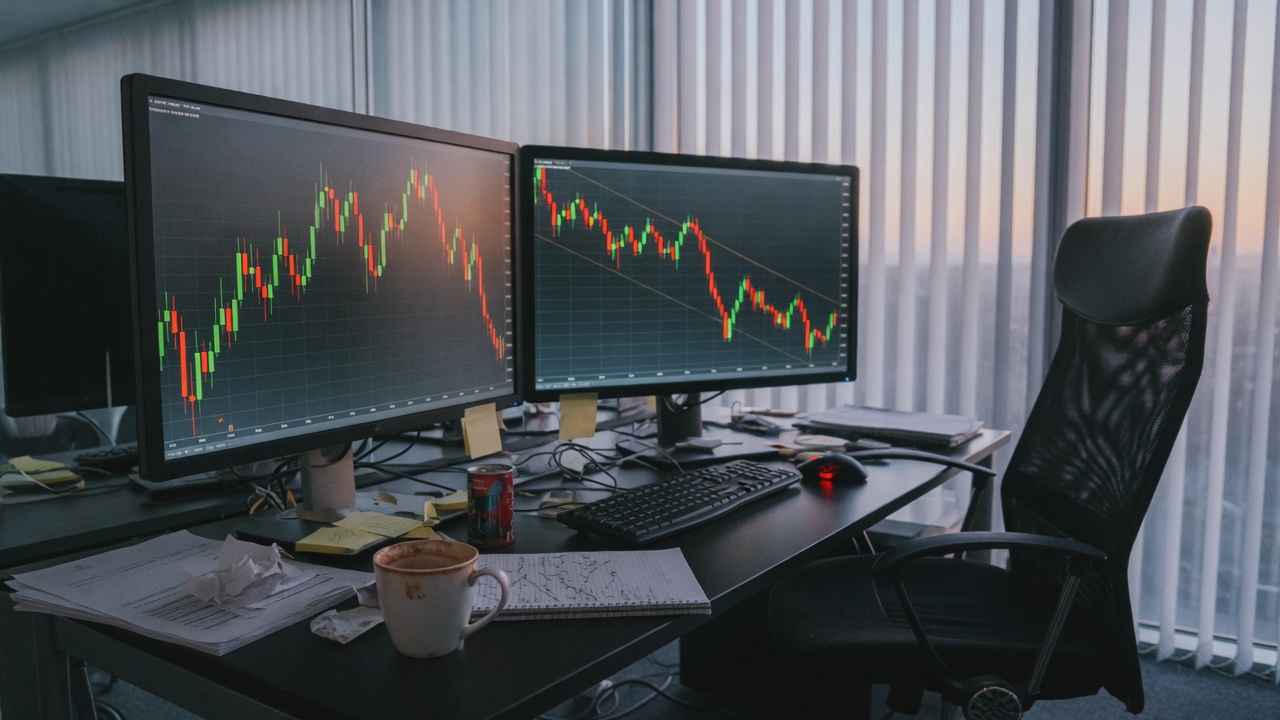
Sitting in front of a screen staring at charts all day can feel productive. In crypto trading, this is rarely the case. In 2026, short-term price moves and scalp trades are largely the domain of trading bots and algorithms that execute buys and sells much faster than humans.
High-frequency trading also racks up high fees that can eat into profits. DEX trading can incur both trading fees and blockchain network gas fees. If all your profits are being used to pay trading fees, you’re essentially paying the exchange to let you watch price charts.
Recognizing Exhaustion and Burnout
Trading and investing are work. Without enough rest, sleep, and regular breaks, focus falters and losses can build up quickly. Exhaustion can usually be resolved with an extended break; burnout is far more persistent and can affect your emotional state and long-term mental health.
Keep a trading journal that tracks wins and losses alongside your daily routine. Try higher time frames (one-hour, four-hour, or daily charts) and make decisions when a candle is about to close, so you have time to avoid impulsive moves.
How to Avoid This Mistake
- Trade Less: A winning streak is exactly when you’re most at risk of being humbled by the market.
- Focus on Quality Setups: If you don’t have a plan with clearly defined rules, you’re gambling rather than trading.
- Take Breaks: You’ll always perform better when you’re well-rested and relaxed.